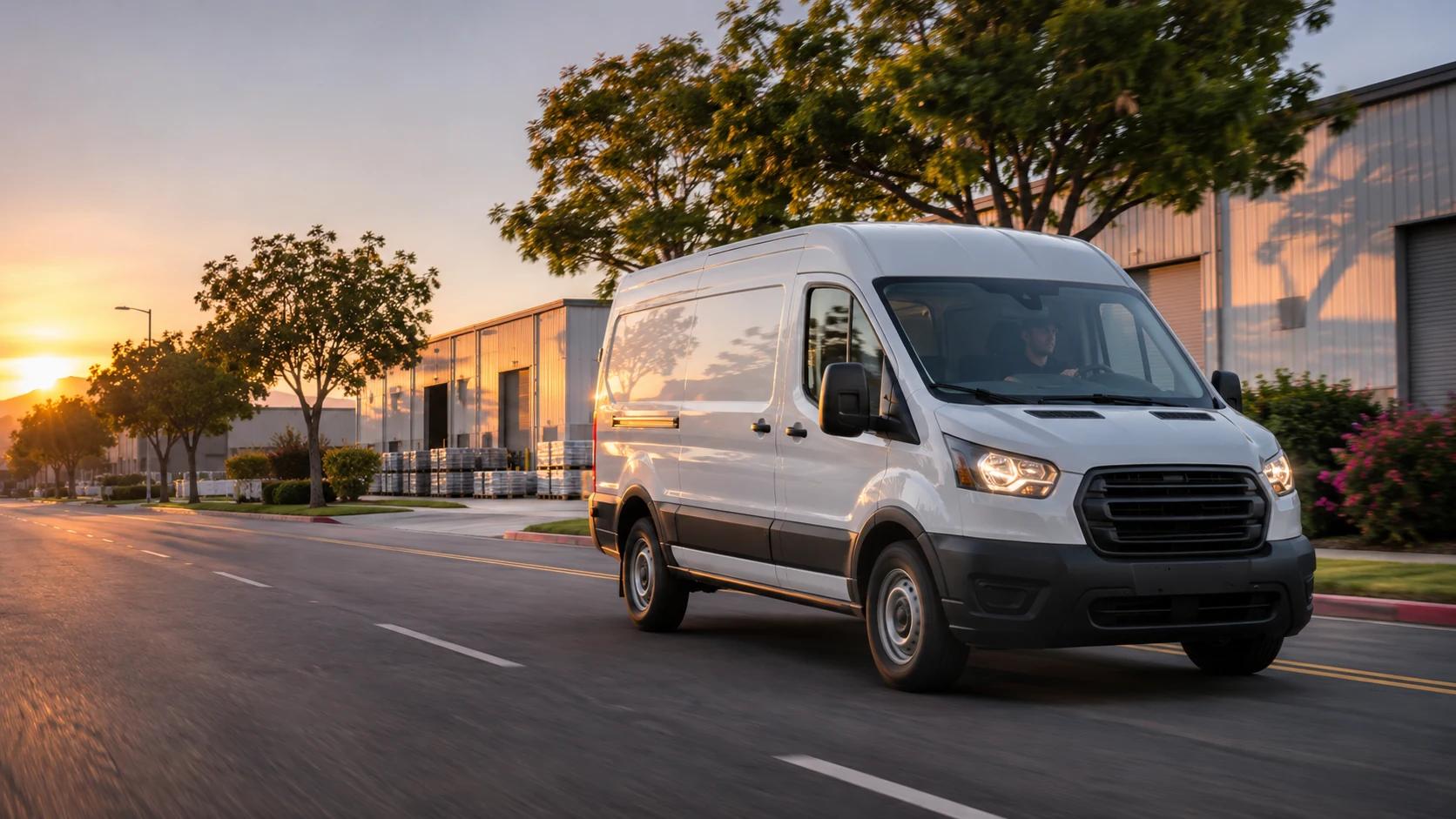
Commercial auto
Business driving needs its own coverage check.
Commercial auto addresses covered vehicle use by your business. Separate liability to others from damage to the vehicle itself, and distinguish owned vehicles from rentals and employees’ personal cars.
What it protects
Business vehicles and covered driving.
The key distinction
Liability and physical damage are separate.
Start your review
Match vehicles, drivers and actual use.
What it can pay for
A vehicle schedule is only one part of the policy. Covered-auto symbols, insured-driver wording and endorsements also define the scope.
Liability to others
Covered injury and property-damage claims from a business auto accident, plus the applicable defense provisions.
Damage to the insured vehicle
Collision and comprehensive or specified-causes coverage can be purchased for qualifying vehicles. Each has its own limits, valuation and deductible.
What belongs elsewhere
An employee’s car repair bill
Hired/non-owned liability does not by itself pay for damage to an employee’s own car.
Customer cars and sale inventory
Garagekeepers and dealers open lot address different vehicle interests. A van policy does not automatically insure an entire dealership inventory.
Read the explanationAn employee picks up parts in a personal car
Illustrative example — the policy terms and facts determine the outcome.
- 1
The trip
You send an employee to a supplier in their own car. They cause an accident.
- 2
Two insurance questions
The employee’s personal policy and your business’s potential liability are separate. Non-owned auto liability can address the business interest, subject to its terms.
- 3
One frequent gap
The employee’s damaged car is not automatically repaired by your non-owned auto liability coverage.
Read these parts of your policy
| Find this | What to check | Why it matters |
|---|---|---|
| Covered-auto symbols | Which autos qualify for each coverage: owned, specifically listed, hired or non-owned. | A broad liability symbol does not necessarily apply to physical damage. |
| Drivers and usage | Deliveries, shuttles, transport radius, loaners and customer use. | A new use can fall outside the original description. |
| Physical damage | Collision/comprehensive deductibles, valuation and loss-payee details. | The lender’s interest and your out-of-pocket share are different. |
| State-specific coverages | Uninsured/underinsured motorist, medical payments or no-fault terms where applicable. | Requirements and options vary by state. |
Your practical checklist
Use these boxes as you gather the details. They stay on this page; nothing is submitted.
Common questions
Does a personal policy cover occasional business use?
Some policies allow limited business use; others exclude the actual activity. Delivery, vehicle ownership and frequency matter. Read both the personal policy and the business coverage.
Are hired and non-owned auto the same?
No. Hired autos generally involve vehicles the business rents or hires. Non-owned autos commonly include employees’ personal vehicles used for work. The policy definitions control.
Are service loaners automatically included?
No. Customer use, driver eligibility, agreements, vehicle schedules and physical damage terms need specific review.
Coverage depends on the issued policy, endorsements, limits, deductibles and facts of the loss. Examples are illustrative. Submitting an application does not start or change coverage.
Further reading
Triple-I: business vehicle insurance ↗Your next step
Put your coverage comparison to work.
Start with your business details and the coverage you want to review. Add current policies and schedules if you have them.