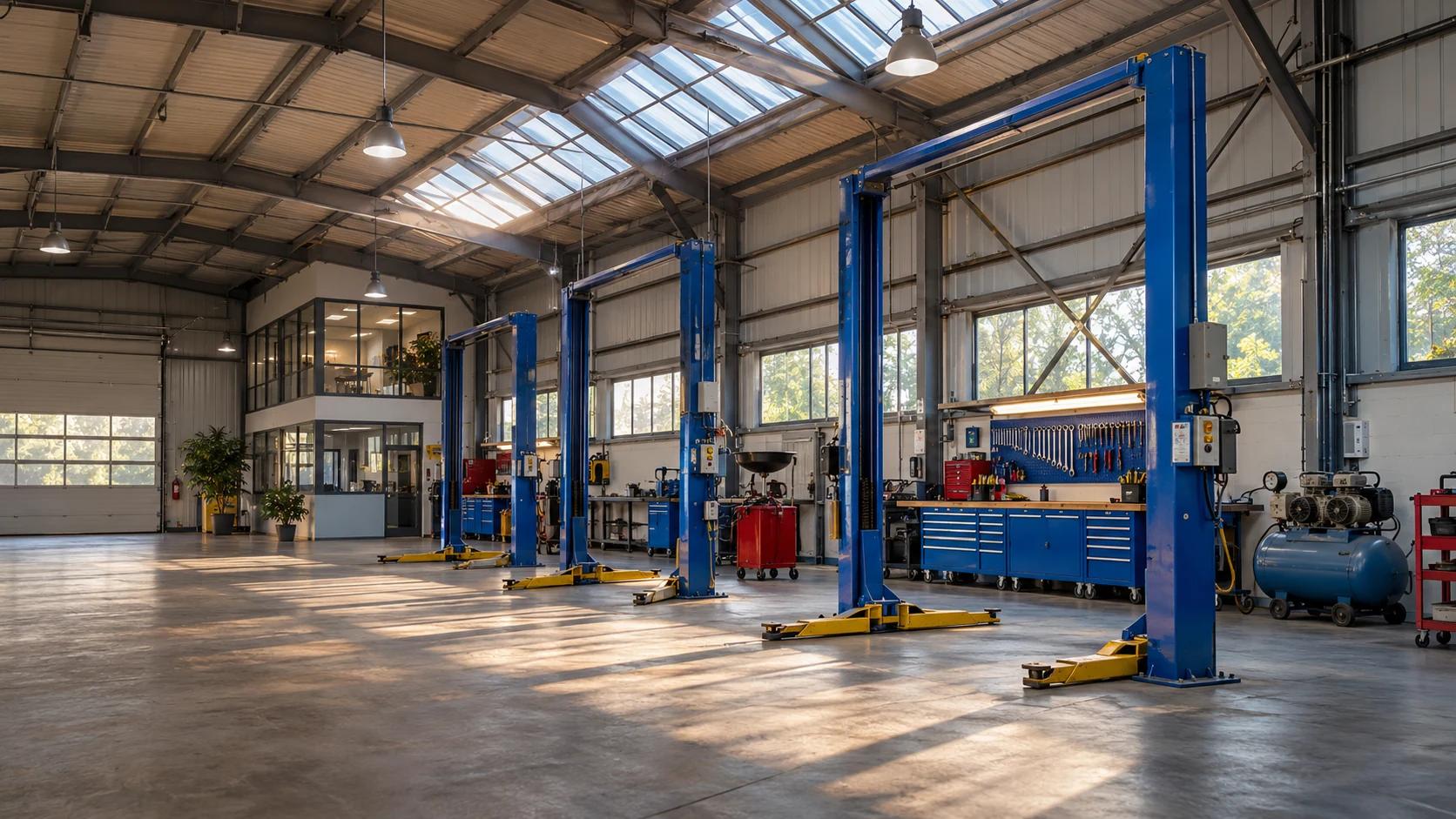
Property & income
The building, the equipment and the income at risk.
Property insurance addresses covered damage to your building and business contents. Business income and extra expense address qualifying interruption after a covered event. Insuring the building alone does not replace lost earnings.
What it protects
Buildings, equipment and interrupted operations.
The key distinction
Property damage and lost income are separate.
Start your review
Use replacement costs and realistic downtime.
What it can pay for
Separate what you own, what you lease and what you must insure under a contract.
Buildings and business contents
Covered damage to listed buildings, tools, lifts, office equipment and other eligible business property, using the policy’s valuation terms.
Income and extra expense
Qualifying lost net income, continuing expenses and extra costs to reduce disruption after covered damage. Waiting periods, restoration periods and dollar limits matter.
What belongs elsewhere
Inventory cars and customer vehicles
Do not count vehicles under a general contents limit without checking the form. Inventory and customer vehicles have separate insurance needs.
Read the explanationEvery shutdown or mechanical failure
A slow month is not an insured interruption. Flood, earthquake, equipment breakdown and utility interruption may require separate coverage or endorsements.
A fire closes the service bays
Illustrative example — the policy terms and facts determine the outcome.
- 1
Physical damage
A covered fire damages the insured building, lifts and tools. Property coverage examines each item and its valuation.
- 2
The interruption
Appointments stop while repairs are made. Business income examines lost income and continuing expenses under its own terms.
- 3
Getting back to work
Temporary premises or equipment may create extra expense. Keep estimates, financial records and recovery invoices separate from the property repair bill.
Read these parts of your policy
| Find this | What to check | Why it matters |
|---|---|---|
| Property schedule | Each building, business contents, tenant improvements and applicable locations. | A landlord’s building policy does not automatically insure your tools. |
| Valuation and coinsurance | Replacement cost versus depreciated value, and any required insured-to-value percentage. | A low declared value can create more than a simple limit shortfall. |
| Business income | Income basis, continuing expenses, time limit and waiting period. | Reopening a damaged shop may take longer than repairing one machine. |
| Special causes | Water, flood, earthquake, equipment breakdown and off-premises utility terms. | Ordinary property wording may leave these exposures out. |
Your practical checklist
Use these boxes as you gather the details. They stay on this page; nothing is submitted.
Common questions
If I lease the building, do I need property insurance?
Your lease determines some obligations. You may still need coverage for tools, inventory other than vehicles, tenant improvements and business income.
Is flood covered?
Do not assume it is. Check the flood exclusion and any separate flood policy or endorsement, including its limits and deductible.
Will it cover a supplier or utility outage?
Only if the relevant dependent-property, utility or interruption wording applies. The triggering event and any distance, time or dollar restrictions matter.
Coverage depends on the issued policy, endorsements, limits, deductibles and facts of the loss. Examples are illustrative. Submitting an application does not start or change coverage.
Further reading
NAIC: small business insurance ↗Travelers: auto repair shop insurance ↗Your next step
Put your coverage comparison to work.
Start with your business details and the coverage you want to review. Add current policies and schedules if you have them.