Garagekeepers
When a customer’s vehicle is in your care.
Garagekeepers addresses eligible damage to customer vehicles held for service, storage or parking. Compare the coverage basis, covered causes, deductibles and the highest combined value of cars you hold at once.
What it protects
Customer cars held for service or parking.
The key distinction
Legal liability and direct coverage differ.
Start your review
Count the busiest day’s combined value.
What it can pay for
Taking keys, parking a vehicle or holding it overnight can change your custody exposure. The operating arrangement and policy wording both matter.
Damage while in custody
Covered fire, theft, collision or other selected causes affecting customer cars while they are in the insured operation’s care.
The purchased coverage basis
Legal liability generally depends on your responsibility for the damage. Direct primary or direct excess forms can respond differently; read the actual grant and other-insurance wording.
What belongs elsewhere
Cars you own for sale
Sale inventory needs dealers open lot or other applicable physical damage coverage.
Read the explanationA collision injuring someone else
Damage to the customer car and liability to another road user are separate issues. Garagekeepers is not a substitute for driving liability.
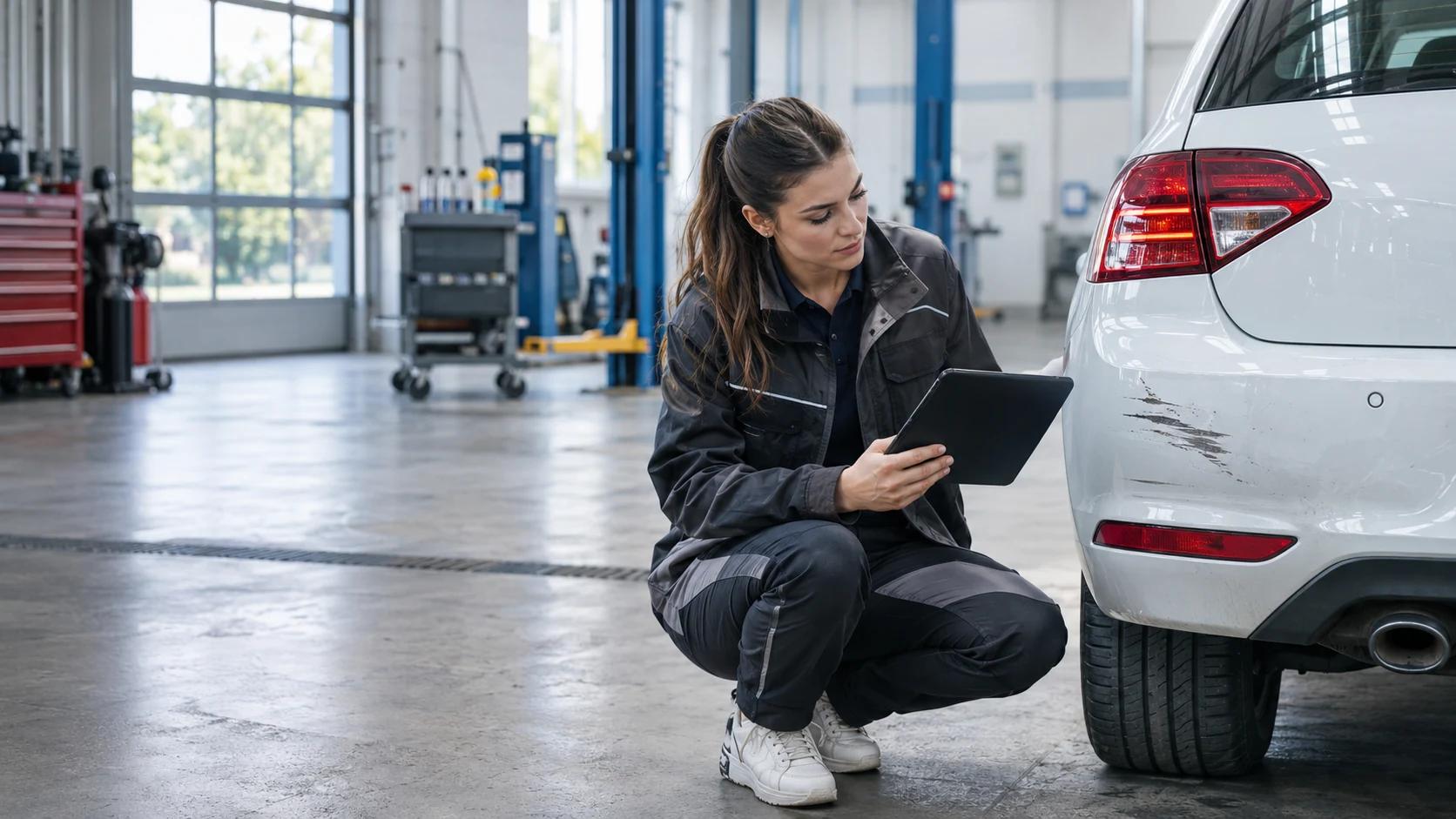
Read the explanationA customer’s bumper is scraped
Illustrative example — the policy terms and facts determine the outcome.
- 1
The incident
An attendant backs a customer’s car into a post while moving it between spaces.
- 2
Identify the car and responsibility
The car belongs to the customer. The business’s custody, the attendant’s actions and the selected collision coverage are relevant.
- 3
Match the policy
Review garagekeepers basis, deductible and limit. Preserve the check-in photos and incident record rather than assuming the repair bill is covered.
Read these parts of your policy
| Find this | What to check | Why it matters |
|---|---|---|
| Coverage basis | Legal liability, direct primary or direct excess. | This affects whether negligence and other available insurance matter. |
| Limit per location | Peak combined customer-car value; any per-car cap. | Twenty cars in one fire can exceed a limit sized for one vehicle. |
| Causes and deductibles | Collision versus comprehensive/specified causes; per-car and event terms. | A large limit does not remove a deductible or add an excluded cause. |
| Custody and movement | Overnight, off-site storage, road tests, valet and pickup/delivery. | Describe where the cars go and who moves them. |
Your practical checklist
Use these boxes as you gather the details. They stay on this page; nothing is submitted.
Common questions
Does taking no keys mean garagekeepers is unnecessary?
Not automatically. Self-parking, contractual responsibility and actual control differ. Read your parking agreement and describe what staff do before comparing the policy.
Does direct primary cover every loss?
No. It can change the legal-liability or other-insurance basis, but exclusions, covered causes, limits and deductibles still apply.
Are items left inside the car covered?
Do not assume so. Personal property in a customer vehicle can be excluded or limited separately from damage to the vehicle.
Coverage depends on the issued policy, endorsements, limits, deductibles and facts of the loss. Examples are illustrative. Submitting an application does not start or change coverage.
Further reading
Oregon DAS: garage and garagekeepers coverage ↗Travelers: auto repair shop insurance ↗Your next step
Put your coverage comparison to work.
Start with your business details and the coverage you want to review. Add current policies and schedules if you have them.