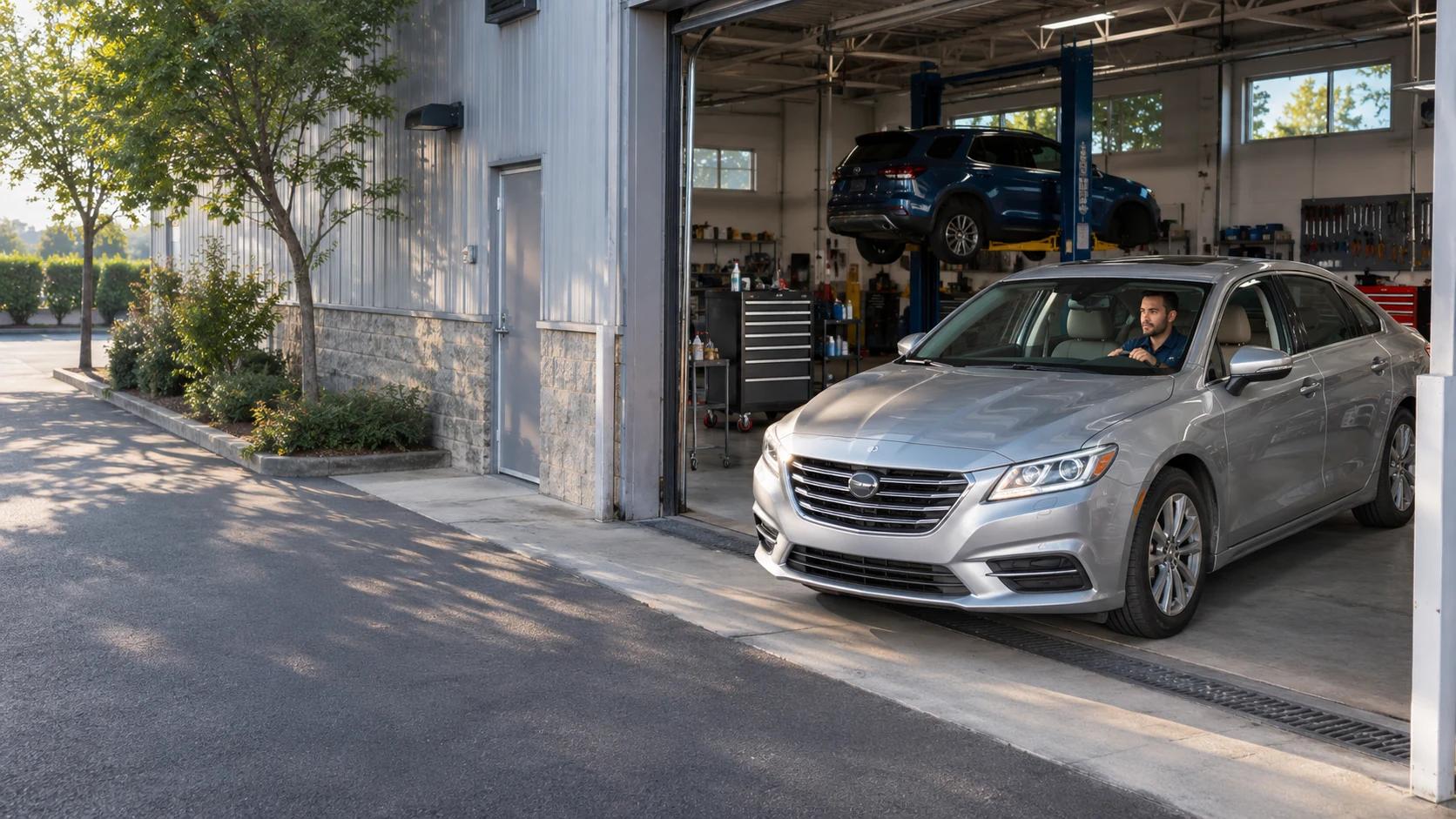
Garage liability
Liability from selling, servicing and using vehicles.
Garage or auto-dealer liability addresses injuries and damage you cause through covered automotive operations. It is different from paying to repair a customer’s car in your possession or your own sale inventory.
What it protects
Injury and damage from automotive operations.
The key distinction
Liability is different from vehicle damage.
Start your review
Check drivers, activities and covered autos.
What it can pay for
Forms differ: some combine premises and auto liability; others split them into separate coverage parts.
Automotive operations
Claims involving covered sales or service work, including applicable products/completed-operations liability after work leaves the shop.
Covered driving
An accident during a covered road test, demonstration or vehicle movement may fall under the auto liability part. Who drove and which autos qualify are important.
What belongs elsewhere
The car you are working on
A scratched customer vehicle is a garagekeepers issue. The cost of redoing faulty work may also be excluded.
Read the explanationVehicles you own for sale
Hail, theft or collision damage to your inventory belongs under the relevant physical damage coverage.
Read the explanationA technician has a road-test accident
Illustrative example — the policy terms and facts determine the outcome.
- 1
The incident
After a repair, a technician hits another driver’s vehicle while testing the customer’s car.
- 2
Separate the losses
Injury and damage to the other driver are liability issues. Damage to the customer’s car is a separate physical damage/custody question.
- 3
Read the details
Check that road testing, the driver and the vehicle qualify. Then examine garagekeepers terms for the customer car.
Read these parts of your policy
| Find this | What to check | Why it matters |
|---|---|---|
| Covered operations | Sales, repairs, bodywork, towing and other actual activities. | Adding a service does not automatically extend the policy. |
| Covered autos and insureds | Auto symbols or descriptions; permitted drivers, test drives and loaners. | A plate or permission to drive does not establish insurance. |
| Completed operations | How the policy treats injury or damage after repair work is finished. | Resulting damage and the faulty work itself are different costs. |
| Liability limits | Auto and non-auto limits, aggregates and any umbrella schedule. | The same headline limit may not apply to each coverage part. |
Your practical checklist
Use these boxes as you gather the details. They stay on this page; nothing is submitted.
Common questions
Does a dealer plate insure any driver?
No. A dealer plate is not an insurance policy. Covered-auto definitions, insured-driver wording and actual use determine the insurance question.
Does liability coverage pay to redo a bad repair?
Usually not the cost of correcting the faulty work itself. Injury or other property damage resulting from that work is a separate question under the applicable liability form.
Can a repair shop use the same policy as a dealership?
They may use related forms, but the operations, drivers and vehicle exposures differ. The schedule and endorsements must match the business.
Coverage depends on the issued policy, endorsements, limits, deductibles and facts of the loss. Examples are illustrative. Submitting an application does not start or change coverage.
Further reading
Oregon DAS: garage and garagekeepers coverage ↗Travelers: auto repair shop insurance ↗Your next step
Put your coverage comparison to work.
Start with your business details and the coverage you want to review. Add current policies and schedules if you have them.