Parking & valet3 min read
Parking & valet insurance: who parks the car matters
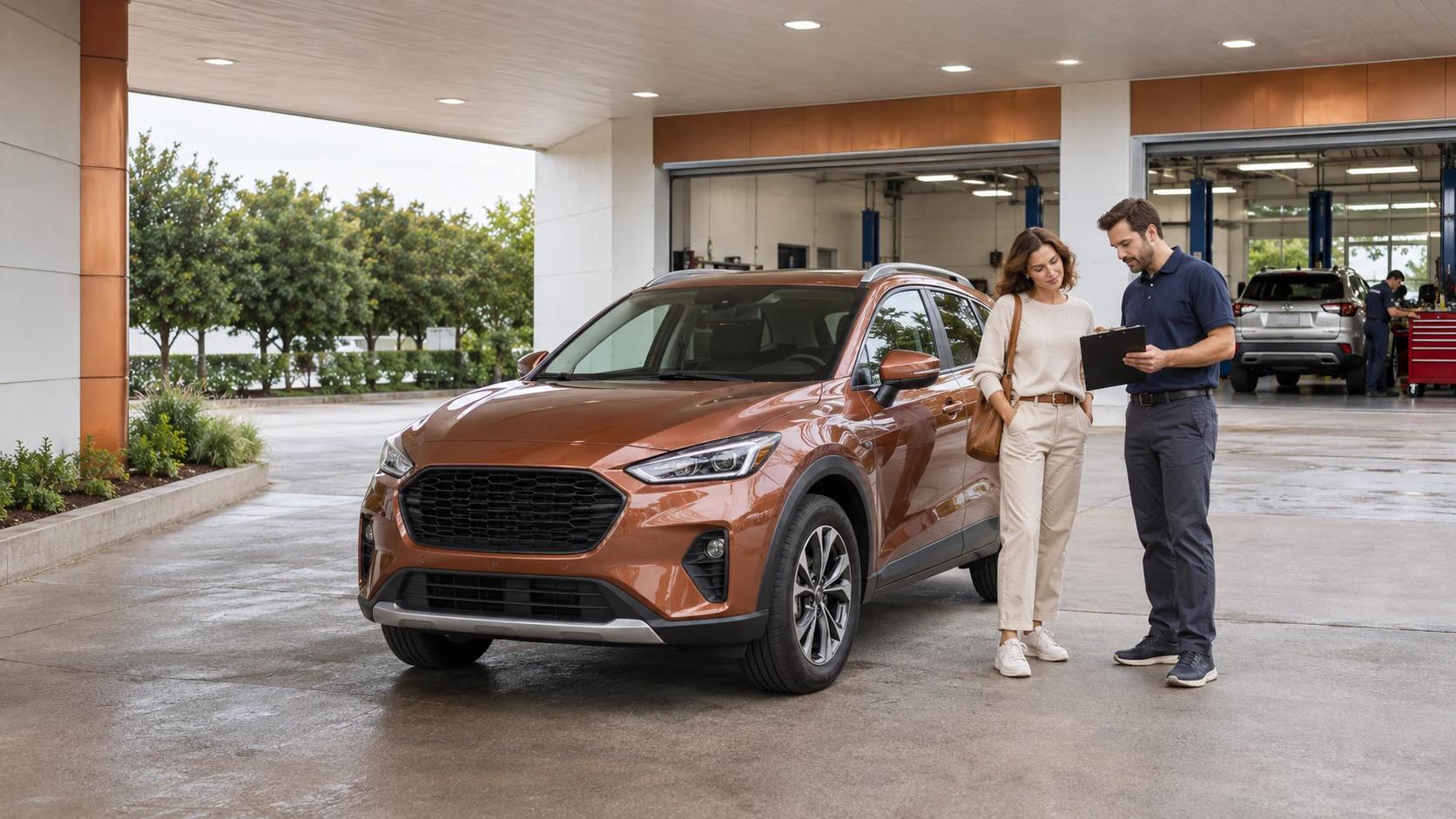
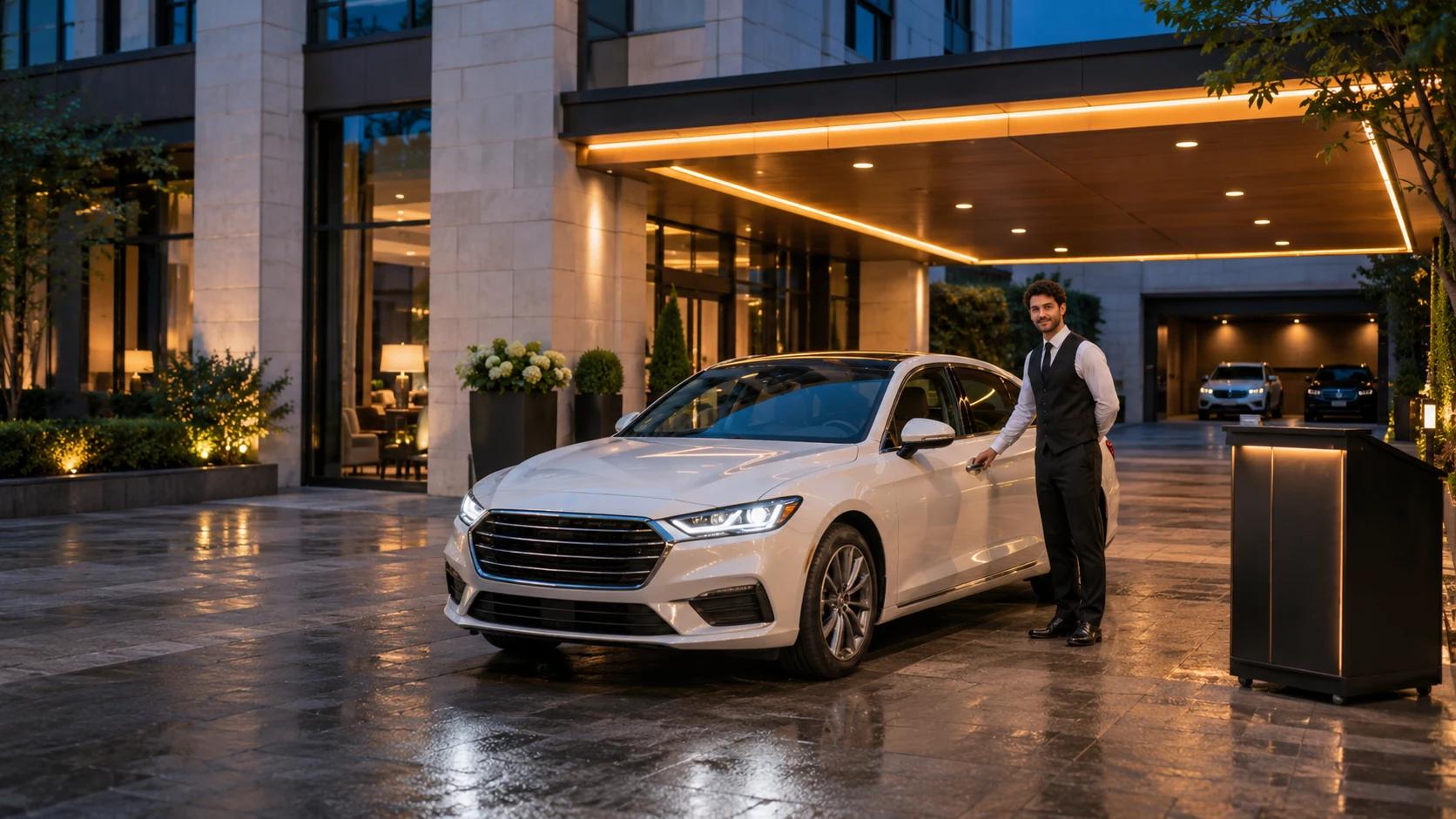
Start with how you operate: do drivers park themselves, do staff move cars occasionally, or do you provide valet service? Premises injuries, customer-car damage and driving accidents are separate risks. Taking the keys changes what your business is responsible for.
Self-parking
Focus on premises and maintenance duties.
Staff hold the keys
Include customer-car custody and movement.
Valet driving
Include routes and every storage location.
Find your operating model
| Your operation | What it means for insurance | Details to include |
|---|---|---|
| Self-parking | General liability is central for claims involving the premises. Vehicle-damage responsibility depends on your operation and contract. | Customers keep their keys. Include any exceptions, maintenance duties and overnight parking. |
| Assisted or tandem parking | Staff may take custody and move vehicles, making garagekeepers and auto liability relevant. | When staff take keys, where cars are repositioned and who can drive. |
| Valet | Customer-car damage and driving liability need attention alongside premises liability. | Drop-off points, routes on public roads, off-site storage and every company providing attendants. |
Three incidents. Three different questions.
These are illustrative situations. A single accident can involve more than one coverage section.
A pedestrian trips on a damaged walkway
This is a premises-liability claim. Ownership, maintenance responsibility and the liability policy matter.
An attendant scrapes a customer’s car
This is damage to a car in your care. Look at garagekeepers collision coverage, the coverage basis and deductible.
A valet collides with another driver
Injuries and damage to the other driver are an auto-liability issue. Damage to the valet customer’s car is a separate garagekeepers issue.
Read the operating contract alongside the quote
Who runs the parking service? Match the operator’s legal name to the insured business. A property owner’s policy is not automatically the operator’s policy.
Who maintains surfaces, lights, stairs and barriers? Record which party is responsible for each area.
Does the contract require additional insured status? This means adding another party to specified liability protection. Check the endorsement, not only the certificate.
Where do attendants take cars? Include overflow lots and off-site storage, even if used only on busy nights.
Are washing, repairs, shuttles or other services included? List them separately so the quote describes the full operation.
Size vehicle coverage for a busy night
Illustrative example: a restaurant valet parks 35 cars at an average value of $40,000. That is $1.4 million of vehicles, including those in the overflow lot. Count the actual mix of cars and the highest-value vehicle; averages can hide expensive vehicles.
On the garagekeepers schedule, compare the location limit, any per-car maximum and the deductible. Legal-liability coverage depends on your responsibility for the loss; direct coverage options can also respond to covered damage without fault. Neither option covers every cause of damage.
Common questions
Does every self-parking lot need garagekeepers?
A true self-parking operation where staff do not take custody of vehicles has a different need from valet. Garagekeepers becomes relevant when you accept custody, move cars or take on vehicle-damage responsibility. Use those facts and the operating contract to determine which arrangement your business actually has.
Can the same policy cover self-parking and valet?
A program can include both if both activities, locations and relevant coverage sections are included. A quote describing only self-parking should not be treated as confirmation of valet coverage.
Sources & coverage notes
These guides explain common coverage structures. Your policy and endorsements determine what is insured. Examples are illustrative; source links explain the terms and do not imply an Atlas carrier appointment.
- Admiral · Garagekeepers application (PDF) ↗
Shows separate coverage bases, location and vehicle limits, storage details and key-handling questions.
- Intrepid Direct · Garagekeepers vs. garage liability ↗
Distinguishes damage to customers’ vehicles from liability for injuries and damage to others.
- California Department of Insurance · Commercial insurance guide ↗
Policy terms, property valuation, liability and commercial auto coverage. Legal requirements discussed there are California-specific.
- Amwins · Garage and valet coverage ↗
Lists valet among garage operations and distinguishes garage liability from garagekeepers.