Repair shops3 min read
Repair shop insurance: what you need to protect
A repair shop needs to protect more than the building. Separate customer cars, your tools and equipment, claims arising from your work, and employee injuries. A business owners policy can cover some of these—but customer vehicles need their own coverage.
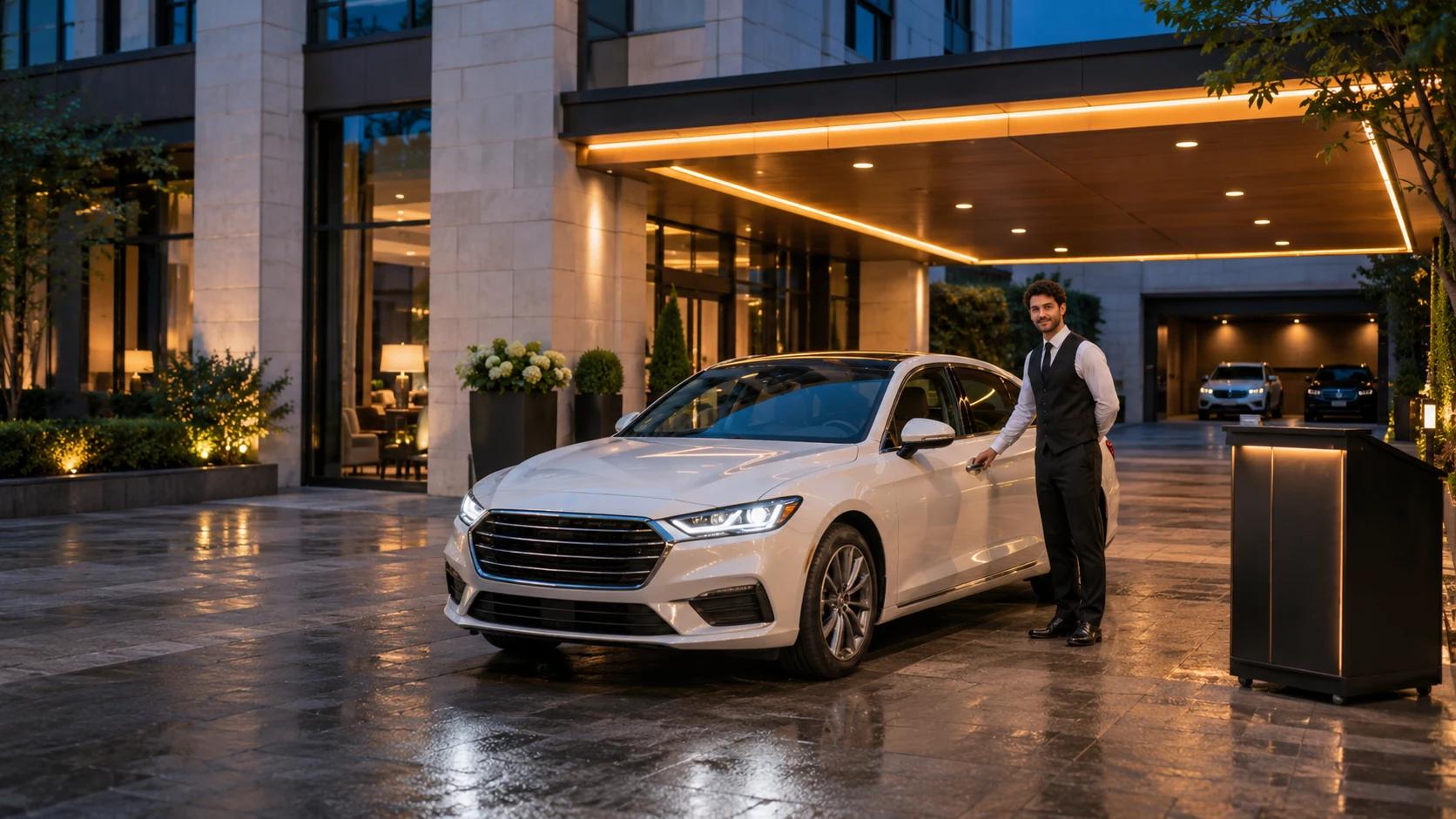
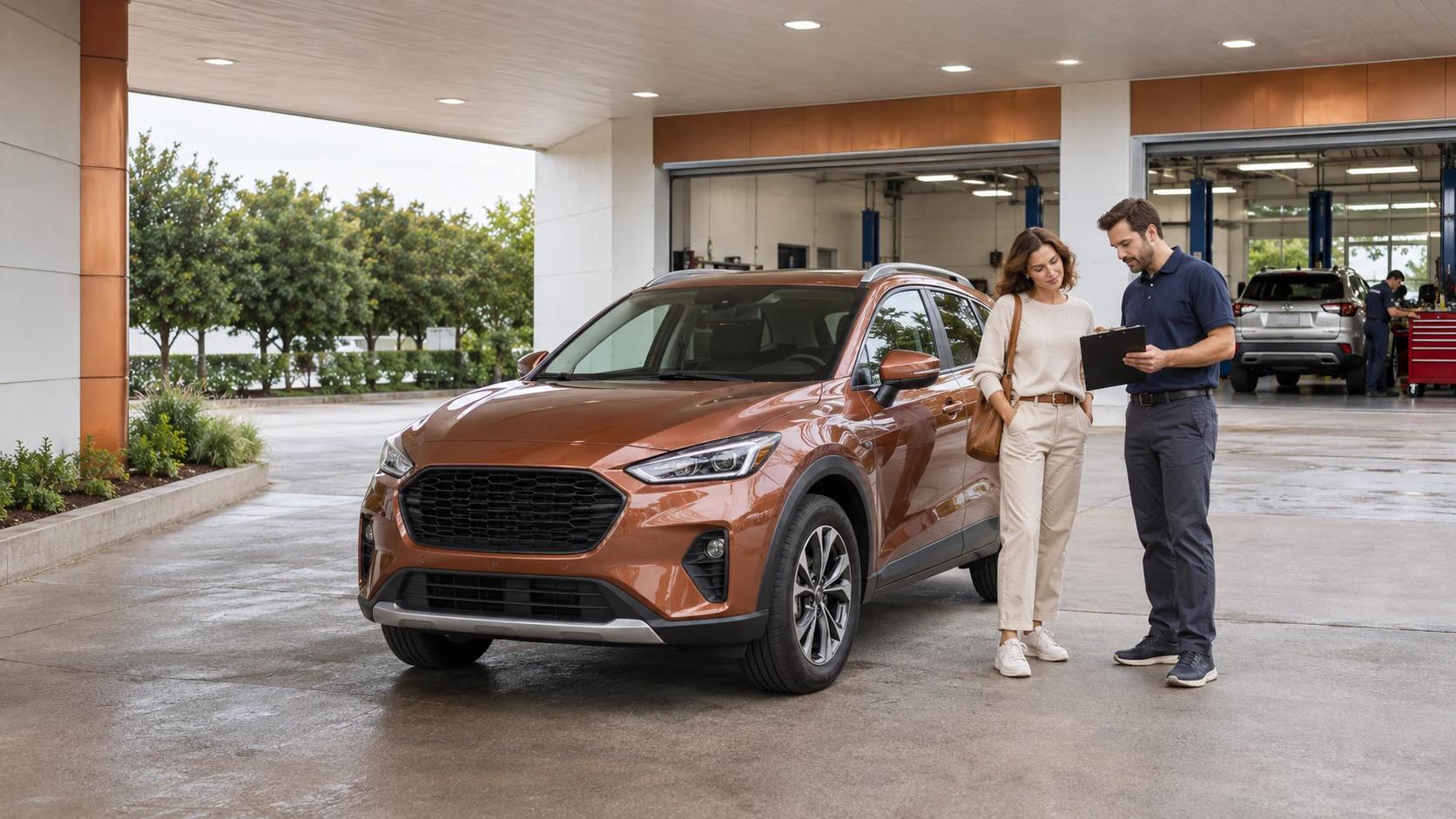
Customer cars
Count cars waiting for parts or pickup, too.
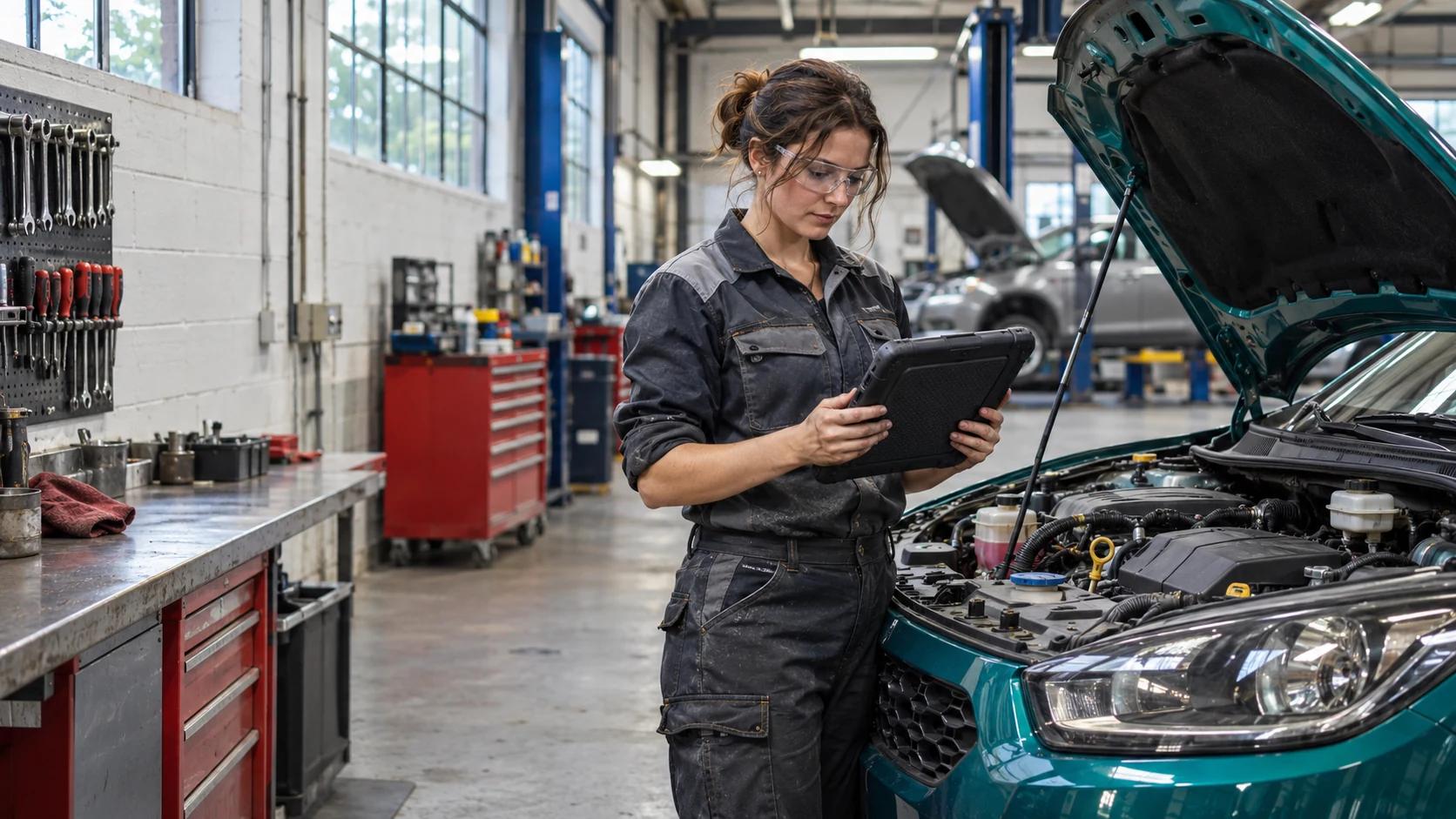
Your equipment
Separate shop-owned and employee tools.
Your work
Check liability for completed repairs.
What protects each part of the shop?
| What needs protection | Coverage to look for | Why it matters |
|---|---|---|
| Customer vehicles | Garagekeepers | A fire, theft or collision can damage cars entrusted to the shop. Your building policy does not replace this coverage. |
| Tools, lifts, parts and diagnostic equipment | Commercial property; tools/equipment coverage | Insures covered damage to business property. Check employee-owned tools and equipment taken off-site separately. |
| Claims arising from repair work | Garage/general liability with products and completed operations | Addresses covered injury or property-damage claims arising from your operations or completed work. |
| Revenue during a covered shutdown | Business income and extra expense | Can replace covered lost income and pay qualifying extra costs. It does not cover every reason for closing. |
| Work-related employee injuries | Workers’ compensation | Provides statutory benefits for covered work injuries and illnesses. |
| Business driving | Applicable commercial/garage auto coverage | Include parts runs, customer pickup, delivery and road testing in the described operations. |
Count the cars that can be there at once
Illustrative example: a four-bay shop has 4 cars being repaired, 7 waiting for parts and 5 ready for collection. That is 16 customer cars, not 4. At an estimated average value of $30,000, the starting total is $480,000. A few high-value cars could push it higher.
Use actual vehicle values when available. Record the largest single-car value and the highest combined value, including cars outside overnight. Compare both with the garagekeepers limits; the number of repair bays alone is not enough.
Fixing your work is different from an injury claim
For example, replacing an incorrectly fitted part and paying for injuries alleged to result from its failure are different costs. Do not treat “garage coverage” as a promise to pay both.
Redoing a repair
Insurance is not a workmanship warranty. The cost of replacing a defective part or correcting faulty work is commonly excluded.
Damage caused by a repair
If an alleged repair error later causes an accident, injury or other damage, liability coverage may respond. The completed-operations wording and exclusions decide the scope.
A useful shop insurance checklist
List the services actually performed: mechanical, tires, body/paint, EV work, towing, mobile repairs or sales. Mark any new services.
Record customer-car totals by location, including overnight and overflow storage.
Make an equipment list with replacement estimates. Identify borrowed, leased and employee-owned items.
List drivers and the trips they make, including customer-car road tests.
Use current payroll and duties for employees. Keep subcontracted work separate.
In the quote, locate the garagekeepers basis, collision selection, limits and deductibles—not just the total premium.
Common questions
Is a business owners policy enough?
Usually it is only part of the package. A BOP commonly combines property, general liability and business income. Customer cars, workers’ compensation and business driving need separate coverage or specific additions.
Does property insurance pay whenever a lift breaks?
No. Wear and tear or a mechanical breakdown is different from a covered fire or theft. Equipment breakdown coverage may address certain failures; maintenance and worn-out parts remain separate expenses.
Sources & coverage notes
These guides explain common coverage structures. Your policy and endorsements determine what is insured. Examples are illustrative; source links explain the terms and do not imply an Atlas carrier appointment.
- Travelers · Insurance for auto repair shops ↗
Repair-shop property, business income, customer vehicles and optional coverage.
- California Department of Insurance · Commercial insurance guide ↗
Policy terms, property valuation, liability and commercial auto coverage. Legal requirements discussed there are California-specific.
- Intrepid Direct · Garagekeepers coverage options ↗
Explains legal liability, direct primary, direct excess and common exclusions.
- Admiral · Garagekeepers application (PDF) ↗
Shows separate coverage bases, location and vehicle limits, storage details and key-handling questions.